Practice
Enterprise architecture on demand
Architectural effort is a cost, and like any cost it needs a justification. The justification is risk: decisions that are expensive to reverse get analysis, a record and a review; the rest get a decision log and nothing more. That discipline of dosage has been this practice's method from the start.
How I look at it
Most organisations do not suffer from a lack of architecture. They suffer from a lack of evidence that the architecture is followed, and from an excess of artifacts produced because the methodology lists them, not because they protect anything. So I dose the effort: a full architecture board where ten teams are changing a bank's core system, a single decision log where a three-person team is building a product. The criterion never changes, the cost of reversing the decision. Code settles the rest, because in code a deviation from a standard is visible, and in a slide deck it is not.
What I have built
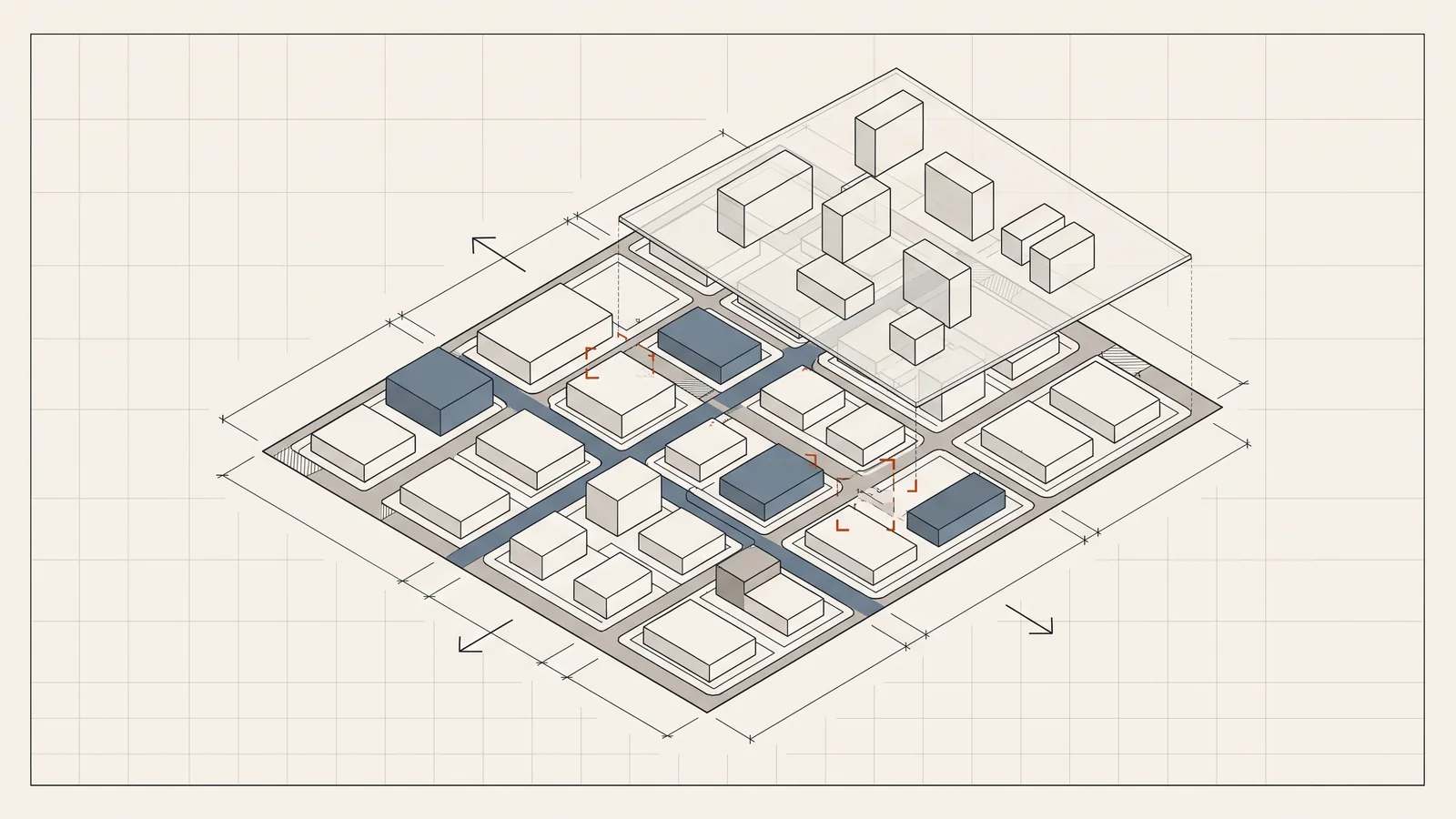
I led the enterprise architecture practice at a state development bank: an IT organisation of over 300 people, chairing the Architecture Review Board through which every significant technology decision passed, and the architecture of a core banking replacement coordinated across more than ten concurrent teams. The other pole of the same method is my open toolchain, which keeps the define, document, govern, maintain cycle in a git repository: a purpose-built DSL compiled to ArchiMate 3.2 Open Exchange and validated against the Open Group XSD, an architecture description generated in the shape of ISO/IEC/IEEE 42010, an application portfolio on TIME quadrants, standards with a lifecycle, dispensations with expiry dates, and a two-zone staging and approved model with gated promotion. The validate command returns an exit code, so it works as a CI gate. A separate mechanism, the oracle, checks every claim a language model makes about ArchiMate semantics against vendored primary sources, locating the quotation; that is an engineering answer to hallucination, not a statement of caution.
What follows
Governance stops depending on memory and meeting attendance: a change that breaks a standard is stopped in the pipeline rather than in a review six weeks later. The organisation also gains a rarer ability, to say: I am knowingly deviating here, until the end of the quarter, and to hold a record of it that expires by itself. And where risk does not justify the effort, the architecture is simply never produced, so nobody has to maintain it afterwards.