Context
A group operates several e-commerce brands selling to different audiences, each with its own brand book, personas, tone and channels. The marketing work is the same shape across all of them: producing content, adapting it per channel, scheduling it, reacting to what performs, and keeping the writing recognisably that brand rather than recognisably generated.
Problem
Multi-brand marketing automation fails in a predictable way. The first brand gets a set of workflows that work. The second brand gets a copy of them with the prompts edited, because copying is faster than parameterising on the day. By the fourth brand there are four divergent copies of every workflow, a fix applied to one of them, and nobody who can say with confidence what the others do.
The second problem is what an agent with tool access is permitted to reach. An assistant useful enough to draft, schedule and analyse for a brand needs credentials and data, and an assistant that holds the credentials of every brand at once is one prompt away from writing for the wrong one.
Approach
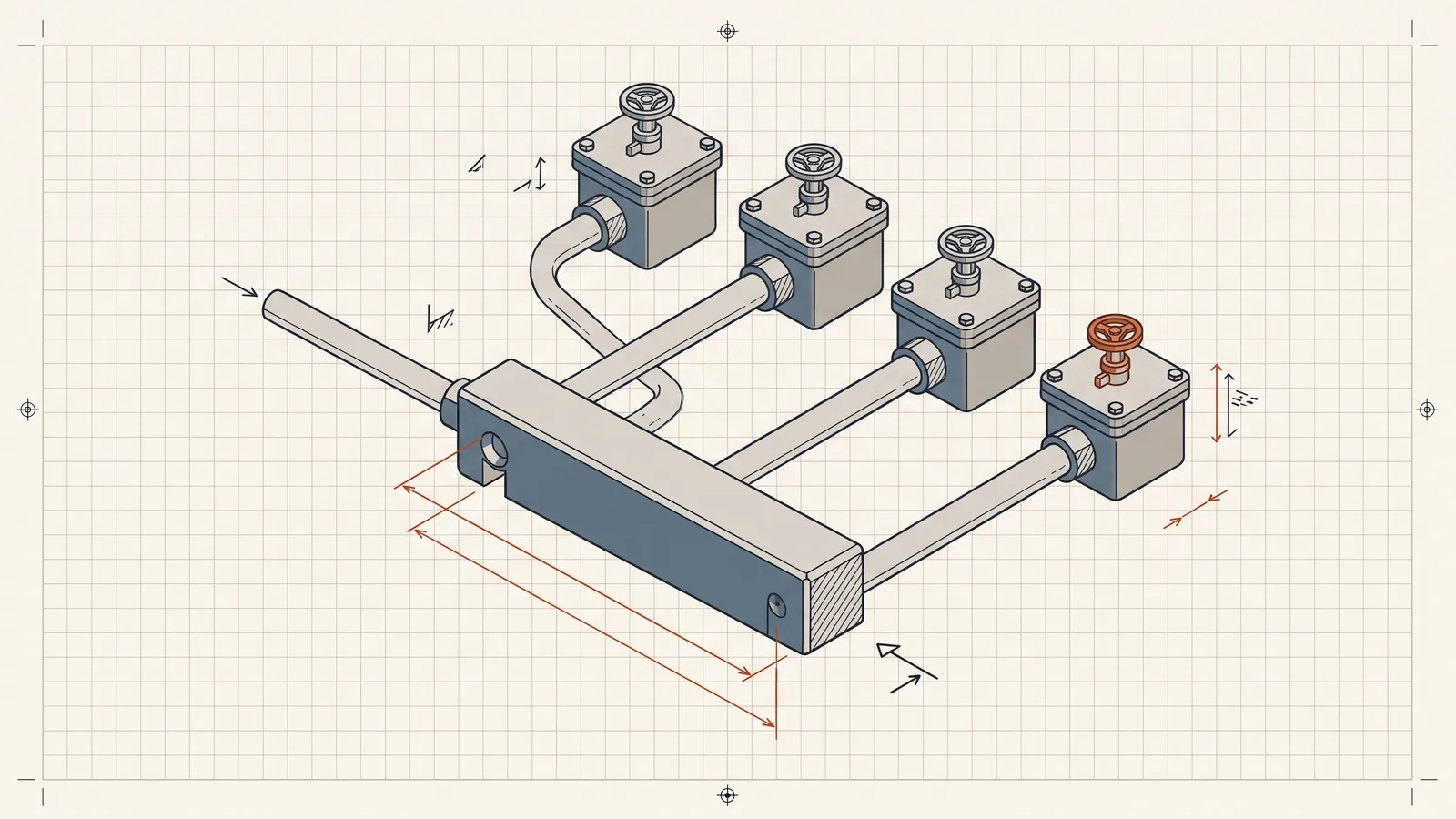
A brand identifier is the isolation key throughout, and there is one set of workflows in one folder in the orchestrator, parameterised by that identifier rather than duplicated. Brand material lives as files per brand outside the workflow definitions, so the brand book, the personas and the reference content that gives a brand its voice are data that a marketer can edit, while the automation that consumes them stays single.
Model access runs through one gateway for the whole estate, with response caching and full cost tracing, so a change of model or a rate limit is handled in one place and the cost of a campaign is attributable rather than estimated. The tracing layer carries the calls for observability, and the prompts are held as templates with placeholders rather than embedded in workflow nodes, which keeps them reviewable and versioned as text.
Retrieval uses vector embeddings held in the shared database with a schema of its own, so a brand's past content informs new content without the corpora of different brands mixing.
The agent layer is where the isolation becomes physical. Each brand gets its own container holding its own memory, sessions and credentials, running in a sandbox and reaching the outside world through a controlled interface rather than directly. An agent therefore cannot reach another brand's credentials because it does not have them, which is a stronger guarantee than instructing it not to. Published views prefixed for the purpose give the agent read-only access to the data it needs, and nothing beyond them.
The infrastructure position is the same as everywhere else in this estate. Nothing here runs its own database, cache, orchestrator, gateway or observability stack; all of those are shared with the other internal systems, and this project holds only what is specific to it, which is the prompts, the workflows, the brand data, the analytical service and the agent configuration.
Outcome
Nineteen automations run across the brands from one definition each, with the brand supplied as a parameter. Adding a brand means adding its files, its identifier and its agent container, rather than forking a set of workflows and inheriting the maintenance.
What it taught me
The decision that determines whether multi-tenant automation stays maintainable is taken on the day the second tenant arrives, and the pressure at that moment is always toward copying. Parameterising costs a day then and saves the divergence that otherwise becomes permanent, because nobody ever merges four copies of a workflow back together.
The second lesson concerns how to isolate an agent. Instructions in a prompt are the weakest available control and the easiest to write. Giving each brand its own container with only its own credentials moves the guarantee from something the model is asked to respect into something the environment enforces, and that distinction is the whole of the security posture.